
Best Phones for Travel Photography: What Actually Matters
The best travel camera phone is the one that can cover a street scene, a distant detail, and a dim dinner without turning the day into a camera-management project.

Find your next guide
Try “portable charger”, “audio”, or “work”.
Editorial library
Forty practical articles for buying, setting up, and living with everyday technology.
The best travel camera phone is the one that can cover a street scene, a distant detail, and a dim dinner without turning the day into a camera-management project.

Storage anxiety usually comes from an unclear routine. Match capacity to what stays offline, how often you clean up, and how long you keep a phone.
A USB-C plug shape does not promise one speed. The charger, cable, device, and charging protocol all have to agree.

Capacity matters, but so do pocketability, USB-C input, useful output, airline rules, and whether the pack can refill before tomorrow.
Qi2 and MagSafe both use magnetic alignment, but labels, device support, accessories, and certified charging behavior still deserve a careful look.
A private phone does not have to become an inconvenient phone. Start with the lock screen, accounts, permissions, and sharing that shape daily risk.
The best phone camera accessory fixes a scene you expect to shoot. Pack for stability, sound, or a deliberate lens look—not for every possibility.
A travel eSIM is easiest when you confirm the phone, carrier lock, activation method, data line, and recovery details before leaving reliable Wi-Fi.
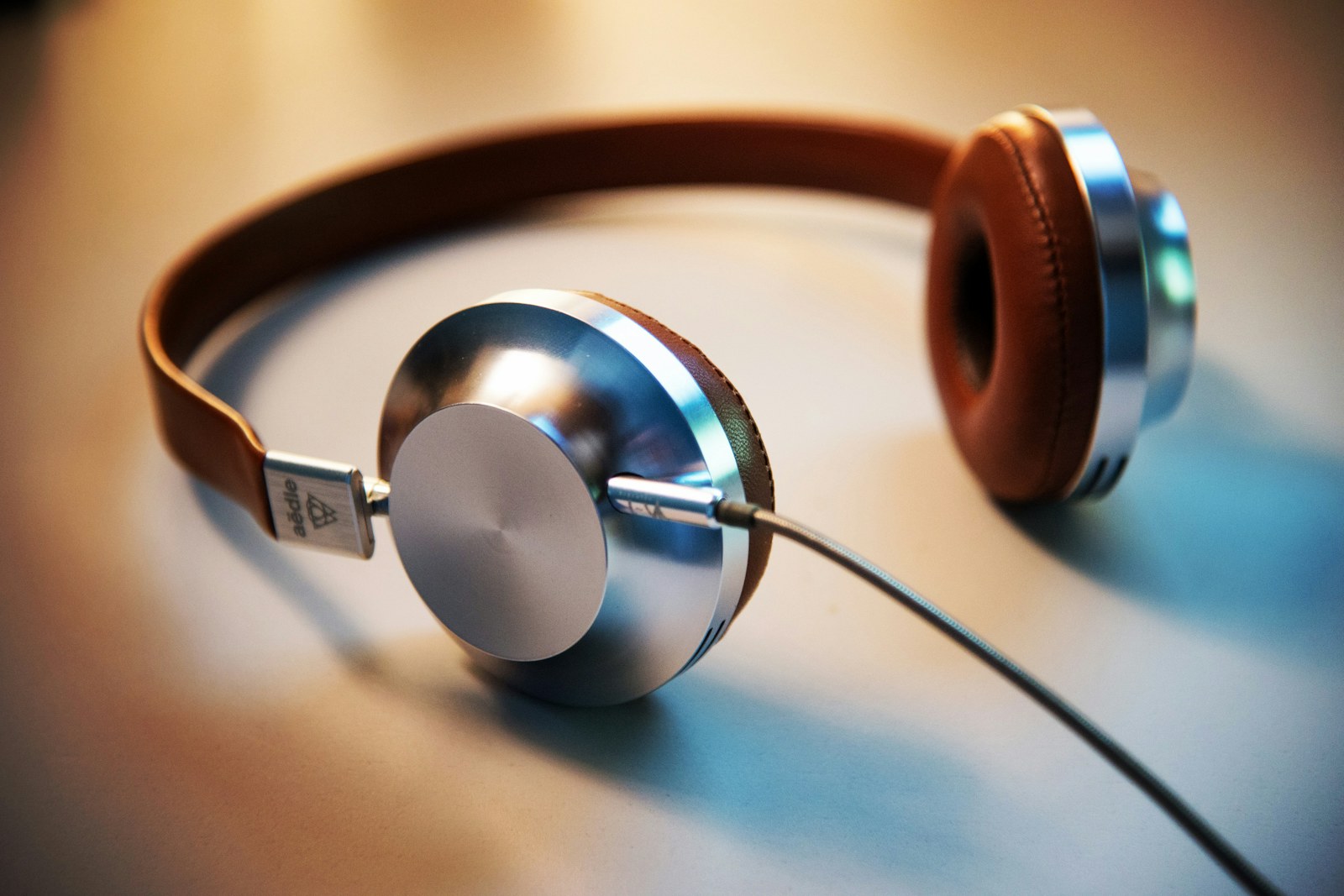
Strong noise cancellation helps with steady cabin and office sound, but comfort, transparency, controls, and a reliable wired option shape the full day.
Commute earbuds need more than good sound. A secure fit, fast transparency control, dependable connections, and a pocketable case shape the daily experience.
Open-ear designs preserve more environmental sound; sealed in-ear models offer isolation and fuller low-end response. Your routine decides which compromise is useful.
An “up to” battery figure describes a test profile, not your exact day. The useful question is whether the watch can cover your longest routine with margin.
A smaller tracker can make consistent wear easier; a smartwatch can replace more phone moments. The better device is the one that supports the habit after novelty fades.

A better microphone helps only when it is close enough, aimed correctly, and selected in the meeting app. Placement matters more than studio styling.
A small gathering needs even, comfortable sound more than maximum volume. Match the speaker to the space, guest count, and carrying plan.

The right campus laptop balances course requirements, creative software, screen quality, memory, storage, and a weight you will carry every day.

The best office mechanical keyboard feels consistent without turning every message into background noise for the people nearby.
A one-cable desk works only when the dock, laptop, displays, power supply, and cables agree on what that one connection can carry.
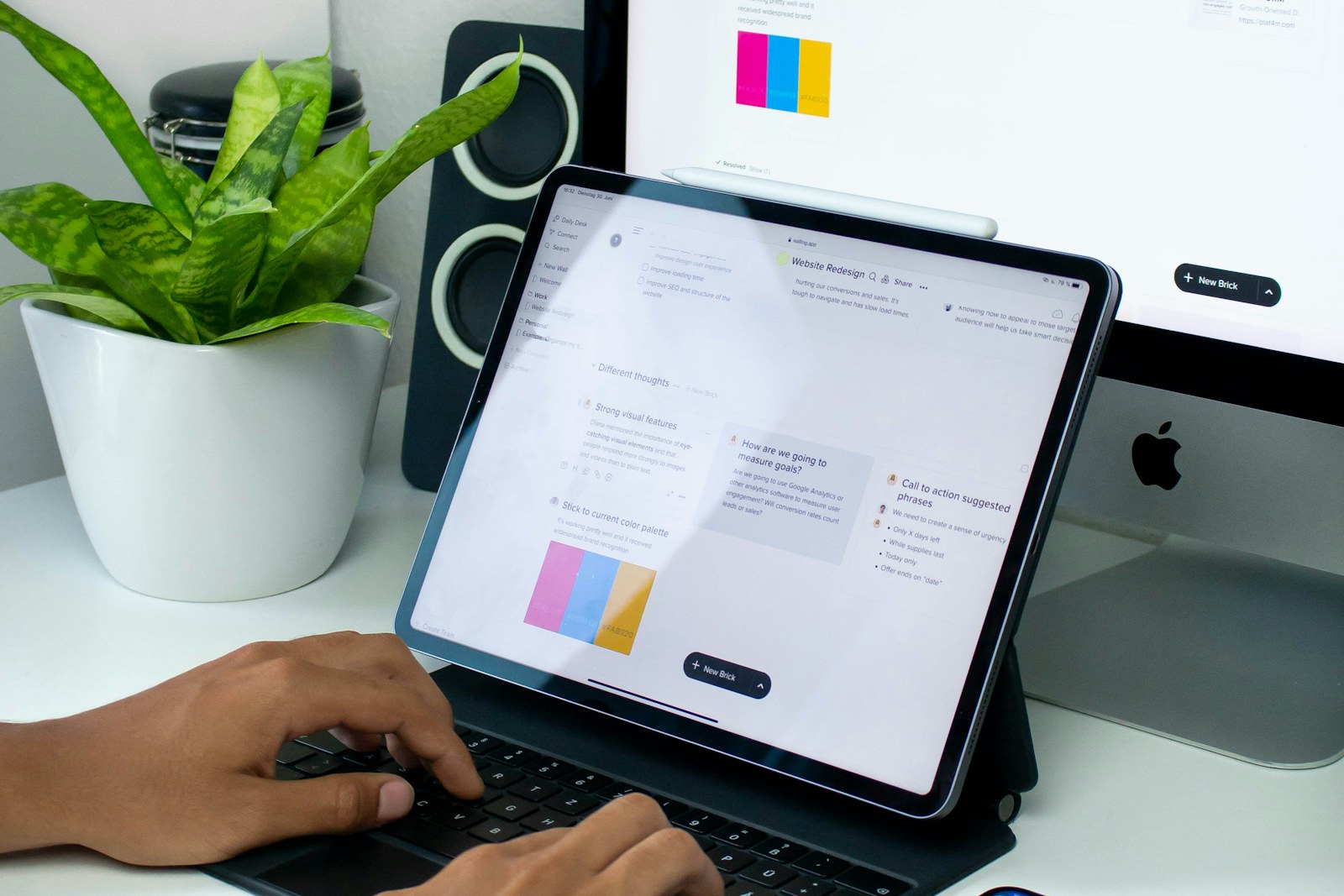
The most useful mixed-purpose monitor makes text comfortable all day and games smooth enough at night without overrunning the desk.
Natural video comes from balanced light, eye-level placement, calm exposure, and sensible framing—not simply the largest resolution number.
A practical route through vertical mice, trackballs, and sculpted productivity models for a desk that has to work all day.

Fixed riser, folding stand, or travel wedge? Choose around eye line, typing plan, and the weight of the laptop.
The safer answer is usually not either-or: build a simple local copy and an independent off-site recovery path.

Start with one solved problem, not a cart full of connected devices, and preserve a path to change platforms later.
A good smart bulb should make a room easier to live in without making the wall switch confusing.
The real cost of a doorbell is its installation and recording plan, not just the device at checkout.
An indoor camera should solve a narrow problem and make its recording state obvious to the people sharing the room.
Smart plugs earn their outlet when they make lamps, fans, and other appropriate appliances easier to manage without obscuring safe manual control.
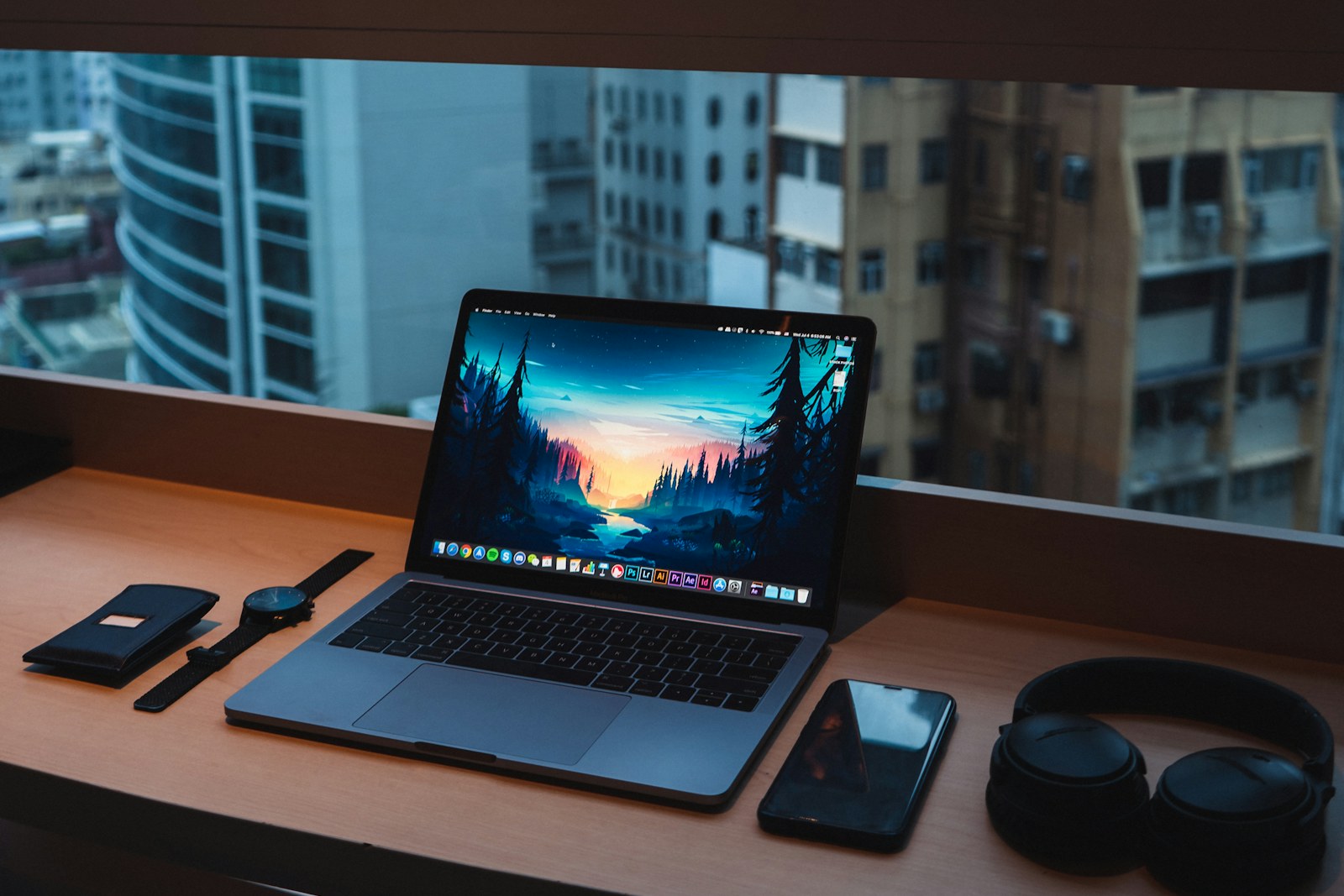
More nodes do not automatically mean better Wi-Fi; placement and the link between nodes determine whether a mesh system helps.
A robot vacuum saves work only when its navigation, brush design, dock, and maintenance routine fit the home it must cross.
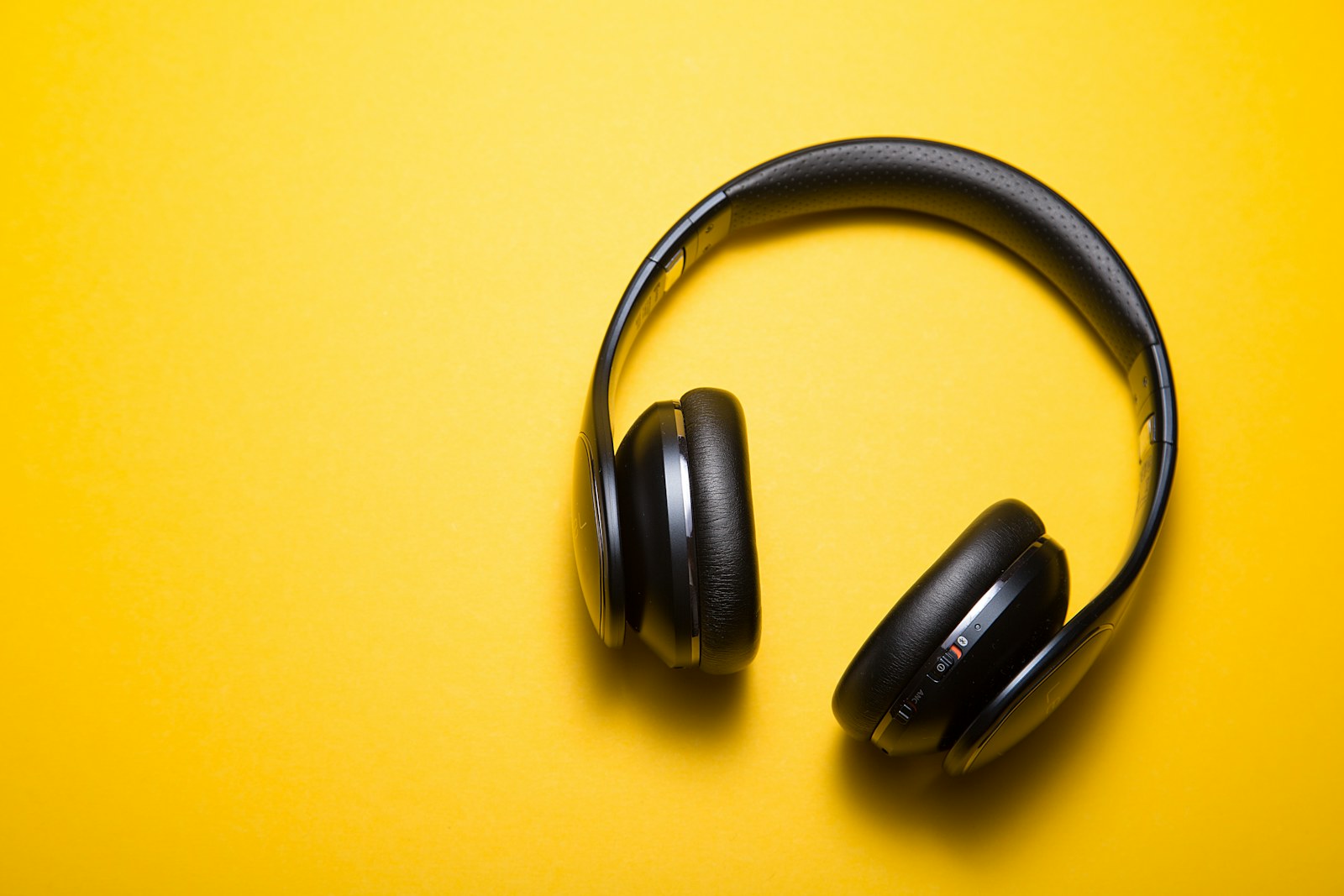
Late-night gaming needs clear team chat, predictable controls, and comfort at low volume more than theatrical feature lists.
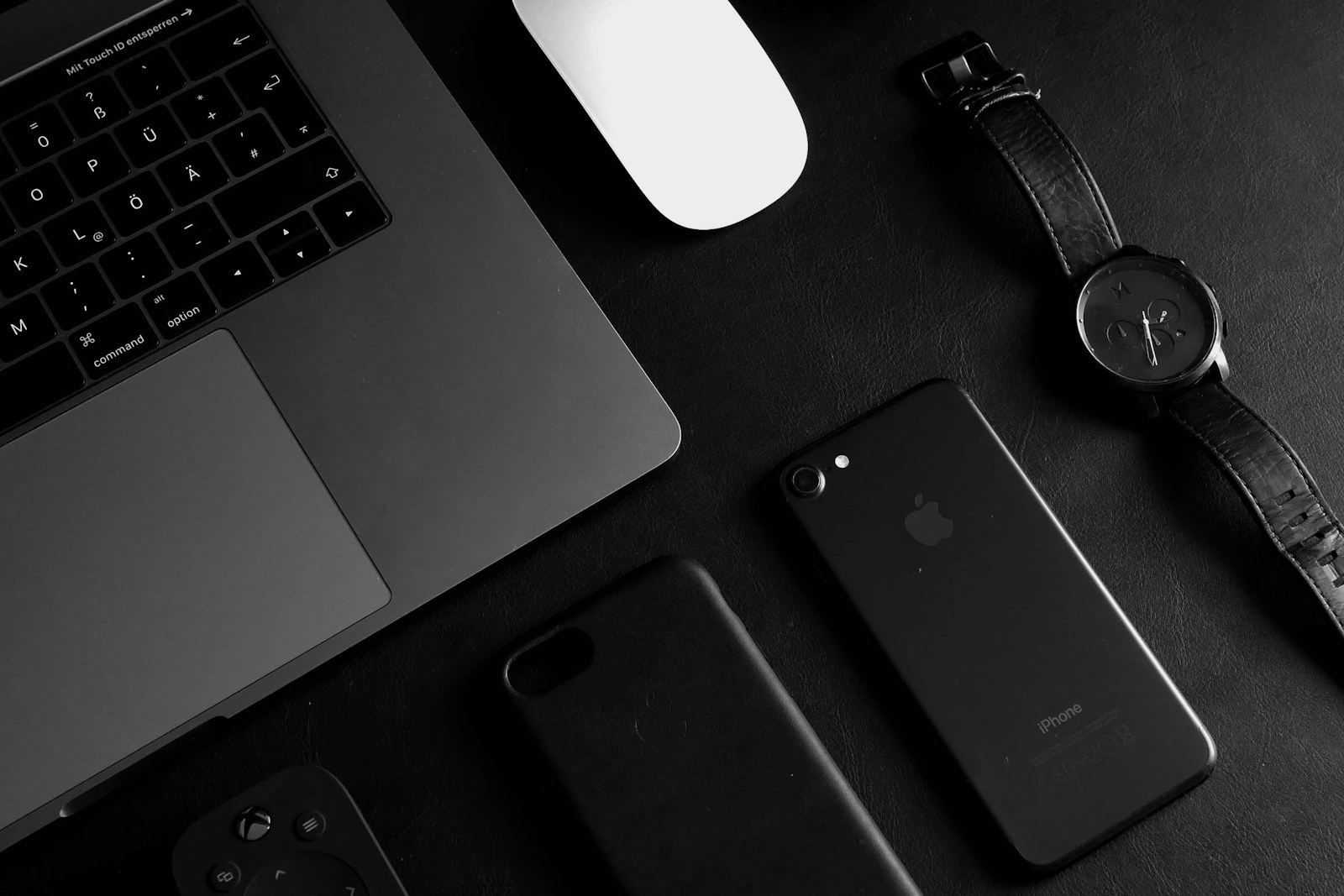
The best handheld is the one that runs the games and services you already use without turning every session into setup work.
A single well-placed soft light usually improves a call more than several bright gadgets aimed from the wrong direction.
A camera becomes useful creator gear when the whole kit is light enough to carry and simple enough to record the moment.
In a reflective room, close placement and quiet recording habits usually matter more than buying the most sensitive microphone.
A capture card should preserve the way you play while delivering a stable signal your computer can encode and record.
A good travel kit covers the failure that matters without duplicating every cable and device in the drawer.
A small charger can replace several bricks, but only when its shared output and local plug setup match the devices in your bag.
The right travel SSD is not merely fast; it fits a verified two-copy workflow and survives the way you pack, power, and edit.
The best hotel sleep kit solves one predictable problem quietly; the rest is often another pouch to charge and manage.
A clearer signal
Get practical gear notes, setup checklists, and newly updated buying guides from our editorial desk.
Email the desk