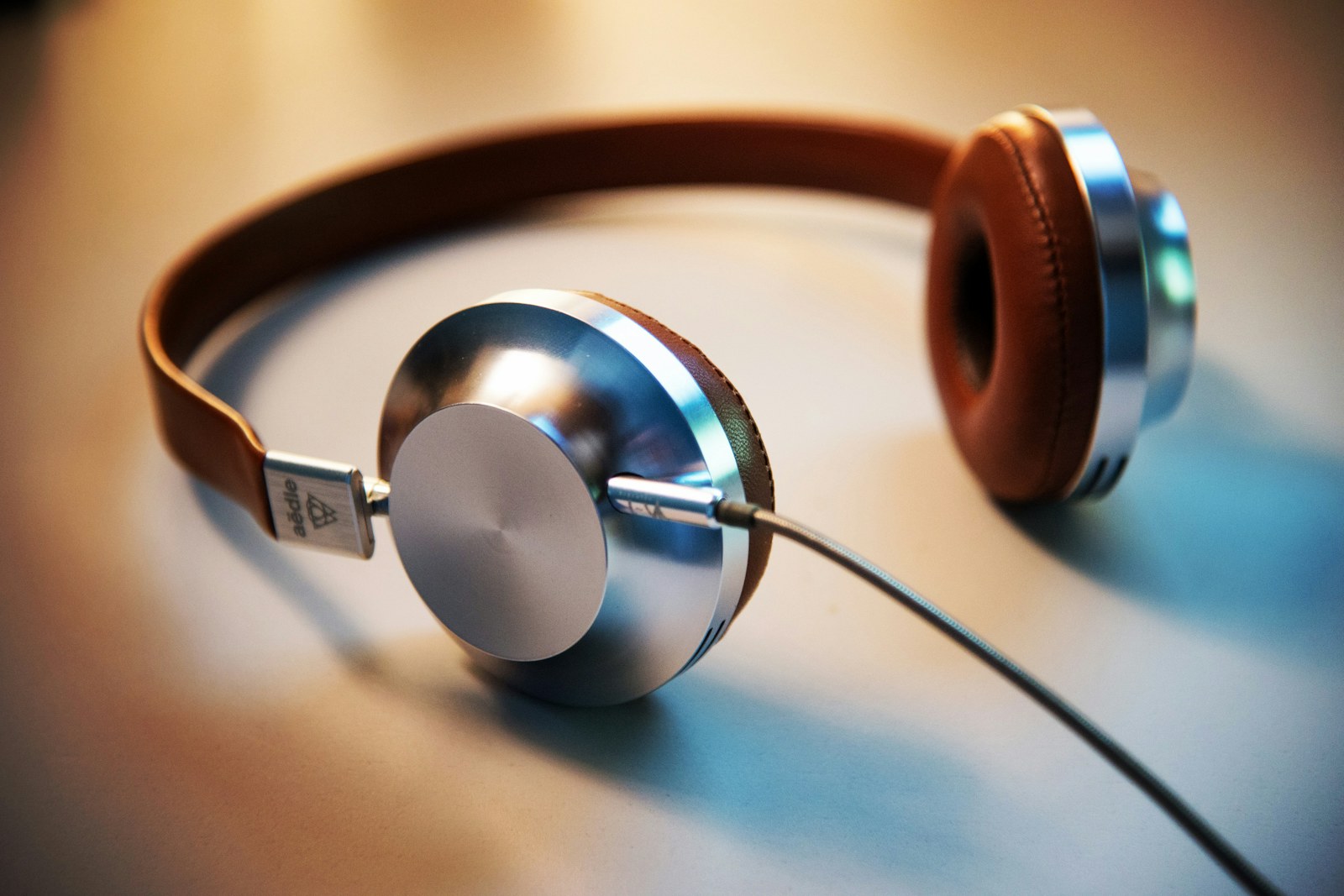
A workday starts with a video call in a busy kitchen, continues in an open office, and ends in an airplane seat. The same headphones must remain comfortable, move between devices predictably, quiet steady noise, and still let an announcement through when it matters.
Quick answer
Prioritize fit and control behavior before small differences in published features. Bose is the straightforward pick for adjustable quiet and long-wear travel, Sony suits buyers who value extensive sound and device settings, and AirPods Max 2 makes the most sense when Apple integration outweighs weight and price. Try the return window as a fit test whenever possible.
Frequent flyers, commuters, and hybrid workers choosing premium over-ear headphones for both sustained concentration and travel.
Our scenario-based picks
Product links below help you check current availability. We never invent a live price, and our recommendations are not sold to manufacturers.
Best for long travel days
Bose QuietComfort Ultra Headphones (2nd Gen)
Best for: Flyers who prioritize adjustable noise control, plush fit, and a folding travel design
Bose publishes multiple listening modes, its flagship noise cancellation, USB-C audio, and up to 30 hours of playback in standard Quiet or Aware use.
Know the tradeoff: The premium price is substantial, immersive modes reduce the published battery figure, and comfort remains personal despite the name.
Best for detailed customization
Sony WH-1000XM6
Best for: Listeners who want adaptive controls, app-based tuning, and broad everyday flexibility
Sony publishes real-time adaptive noise cancellation, a multi-microphone system, wireless high-resolution codec support on compatible devices, and up to 30-hour battery life.
Know the tradeoff: The number of automatic features and app settings can feel busy, and premium codec benefits depend on the source device and configuration.
Best for Apple integration
Apple AirPods Max 2
Best for: iPhone, iPad, and Mac users who value automatic switching and spatial-audio features
Apple documents active noise cancellation, transparency, device switching, head tracking, and USB-C charging within its ecosystem.
Know the tradeoff: The published battery life is shorter than some premium rivals, the headphones are relatively heavy, and the strongest conveniences depend on Apple devices.
Comfort is a system, not one measurement
Headband pressure, clamp force, earcup depth, heat, glasses, earrings, and head shape all affect a two-hour session. Weight alone cannot predict comfort, and a soft first impression may change after an entire flight.
Use the return period to wear the headphones through a realistic work block. Check whether the seal breaks when you turn your head, whether controls are easy to find, and whether the case fits the bag you actually carry.
Noise cancellation does not erase every sound
Active noise cancellation is generally most helpful against persistent sounds such as aircraft rumble, ventilation, or a steady commute. Nearby speech and sudden changes can remain audible, and the physical earcup seal contributes to the result.
Transparency or aware modes are equally important in stations, streets, and offices. Learn the fastest hardware gesture for switching modes, and never use isolation where situational awareness is needed for safety.
Check the complete connection plan
Multipoint, automatic switching, wired analog playback, USB audio, and in-flight entertainment connections are different capabilities. Decide which two source devices must stay connected and whether the headphones work in the desired wired mode when the battery is low.
Pack the exact cable and airline adapter your route may require, then test them before travel. Spatial audio and premium Bluetooth codecs can be useful, but only when both source and headphones support the required format or setting.
Set up headphones for a flight
Update firmware at home, download the companion app, and save one quiet mode plus one transparency mode as easy favorites. Download media before departure and disable touch or automatic behaviors that have caused accidental pauses.
Charge fully, pack the cable, and place the case where it can be reached without opening the overhead bin. On board, begin at a moderate volume; noise cancellation should reduce the urge to overpower the cabin with louder audio.
Build a focused work routine
Create a predictable focus mode with a comfortable noise-control level and notifications limited to important contacts. A consistent cue can be more valuable than constantly changing EQ or immersive settings throughout the day.
Take regular listening breaks, clean the pads according to the manufacturer instructions, and let damp earcups dry before closing the case. Replace worn cushions when the seal or comfort deteriorates rather than assuming the electronics have become ineffective.
Before you buy
- Wear the headphones for at least a full work block during the return period.
- Test quiet and transparency controls without looking at the app.
- Confirm multipoint, automatic switching, and wired behavior for your devices.
- Compare published battery life with the modes you expect to use.
- Pack the correct audio and charging cables for the flight.
Frequently asked questions
Will noise-canceling headphones block all airplane noise?
No. They can substantially reduce steady low-frequency cabin sound, but voices, announcements, and sudden noises may remain audible.
Can I use Bluetooth headphones with seatback entertainment?
Some aircraft support Bluetooth, while others require a wired cable or a compatible transmitter. Check the airline and carry a tested wired option when the headphones support it.
Is stronger noise cancellation always better for focus?
Not necessarily. Comfort, pressure sensation, transparency access, and consistent fit can matter more over a long session. Choose the level that helps without becoming distracting.
Sources and further reading
Specifications and compatibility details were last checked on September 30, 2026. Manufacturer pages can change; confirm the current product page before purchasing.